

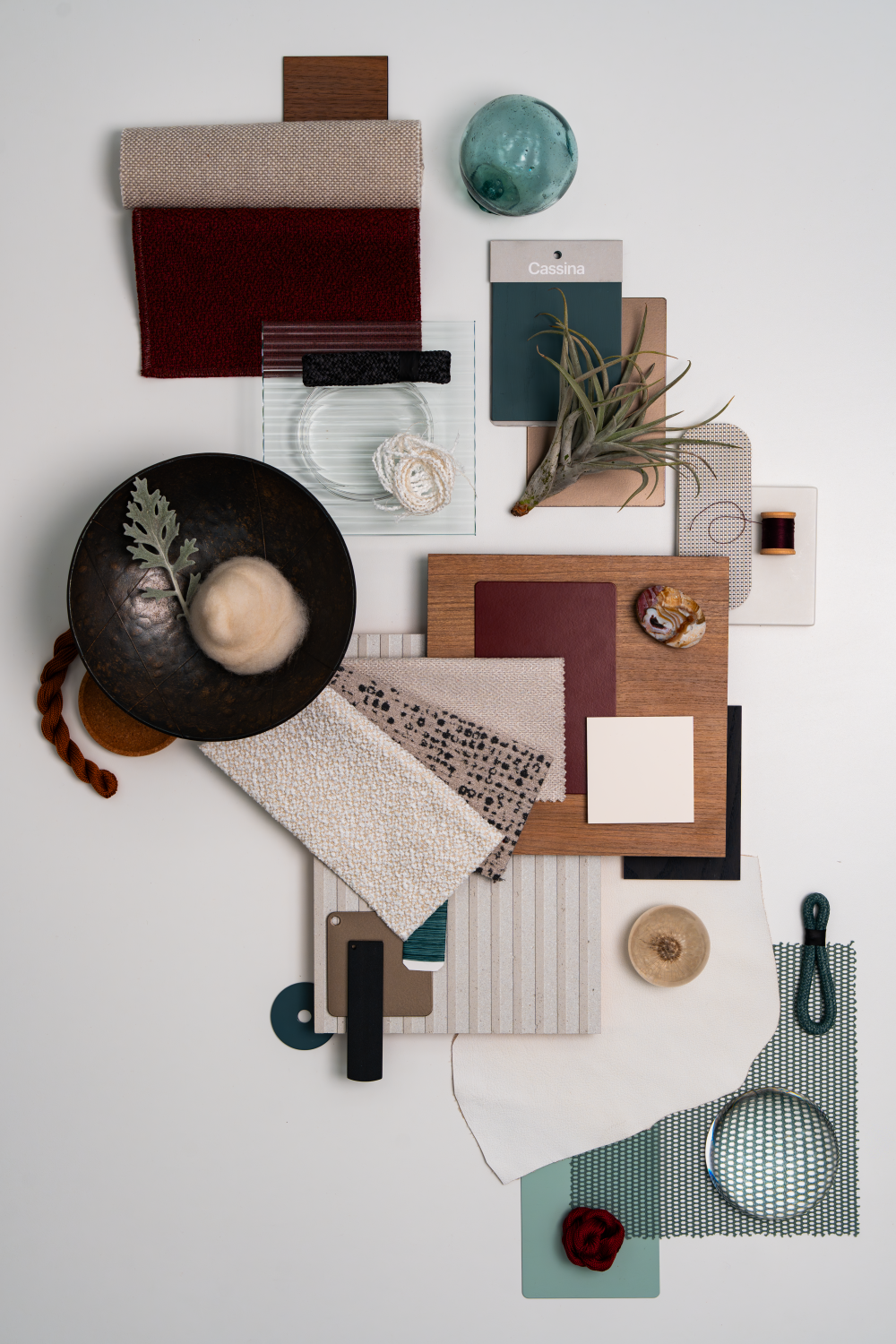
Pantone’s 2026 Color of the Year, Cloud Dancer, may look subtle at first glance. It’s a soft, airy off‑white. It’s quiet, calm, and intentionally restrained. But beneath that simplicity is a powerful signal about where workplaces are heading next.
For workplaces, this isn’t about choosing a trendy paint color. It’s about how offices are expected to feel, and how those environments support the people inside them.
At Commercial Office Environments (COE), this shift reinforces what we already see in our work every day: businesses want spaces that are flexible, human‑centered, and built to last.
From Statement Spaces to Supportive Spaces
Over the last decade, many offices were designed to make an impression, with bold colors, dramatic finishes, and high‑contrast palettes that were meant to signal innovation and culture at first glance.
Cloud Dancer represents a clear move away from that mindset.
Instead of asking offices to perform visually, today’s workplaces are being asked to support how people work. Calm, neutral foundations reduce visual noise and cognitive overload, allowing employees to focus, collaborate, and think more clearly.
In this model, the space doesn’t compete for attention. The people do.
This often shows up as:
- Lighter, more neutral base palettes
- Fewer visual distractions
- Design choices that prioritize function, comfort, and clarity
The goal isn’t to impress for a moment. We want to support performance every day.
Neutral Doesn’t Mean Boring; It Means Intentional
A common misconception is that neutral spaces lack personality. In reality, they demand more intention.
When the foundation is calm, every layer matters:
- Texture over color
- Material quality over visual volume
- Furniture forms and layouts that define how a space is used
In a workspace, this allows design to do what it should do best: guide behavior.
Quiet foundations make it easier to:
- Define zones for focus and collaboration
- Use furniture to shape how teams move and connect
- Introduce contrast through materials, lighting, and layout rather than loud color choices
This is where furniture selection and space planning become critical, rather than just another decorative piece.
Designed for Flexibility and Longevity
Another reason Cloud Dancer resonates so strongly with workplaces is its longevity.
Businesses are making thoughtful decisions about long‑term investments. They want environments that won’t feel dated in a few years and can evolve as work patterns change. A neutral foundation is what makes that possible.
This allows organizations to:
- Reconfigure layouts without starting over
- Refresh spaces with small updates instead of full redesigns
- Adapt for hybrid work, growth, or shifting team needs
From a budgeting and planning perspective, this approach protects investments while keeping spaces relevant.
Supporting the Human Experience at Work
Pantone describes Cloud Dancer as a color that reflects calm, clarity, and breathing room. In today’s workplaces, those qualities matter more than ever.
Employees returning to offices aren’t looking for stimulation. They’re looking for spaces that help to reduce stress, support focus, and encourage meaningful collaboration.
Furniture, layout, and environmental choices all play a role in how people experience work. And when spaces feel lighter and more intentional, teams are better positioned to do their best work without running into burnout or distraction.
What This Means for Workplaces This Year
Cloud Dancer is a reflection of how expectations for the workplace are changing.
Across industries, organizations are rethinking what they need from their environments. Offices are no longer expected to impress on arrival alone. They’re expected to support people throughout the workday, adapt as teams evolve, and remain relevant over time.
This shift points to several broader realities shaping the spaces we experience every day:
- Design decisions are becoming more intentional and less reactive to trends
- Flexibility and longevity matter as much as aesthetics
- The human experience of focus, comfort, and connection is central to performance
Calmer, more neutral foundations give organizations room to grow, change, and personalize their spaces without starting from scratch.
Ultimately, the most effective workplaces aren’t defined by bold statements or short-lived design moments. They’re defined by how well they support the people inside them, and how thoughtfully they adapt as work continues to evolve.