

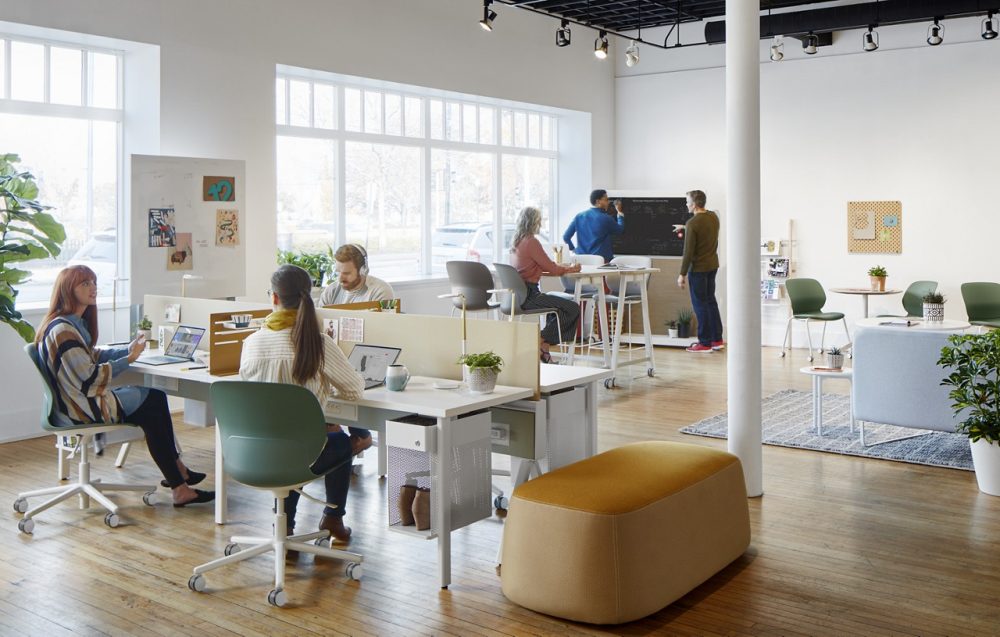
The way people work continues to evolve, and today’s workplace has a bigger responsibility than ever before.
It is no longer simply a place employees go to complete tasks. The workplace has become a destination for collaboration, creativity, problem-solving, and meaningful connection. As organizations embrace more flexible ways of working, one question continues to rise to the surface:
How do you create a workplace that offers flexibility without losing the connection that brings teams together?
The answer starts with thoughtful design.
Flexibility Is About More Than Location
When people hear “flexible work,” they often think about hybrid schedules or remote options. While location is part of the conversation, true workplace flexibility goes much deeper.
A flexible workplace recognizes that people do different types of work throughout the day.
Sometimes employees need a quiet place to focus. Other times, they need space to collaborate, brainstorm, or connect with teammates. A successful environment gives people choices and allows the space to support their work instead of forcing every task into the same setting.
The modern workplace is shifting away from one-size-fits-all layouts and toward spaces that are adaptable, intentional, and centered around people.
Creating Spaces That Encourage Connection
As work becomes more flexible, connection becomes even more important.
The moments when teams come together should feel valuable. Employees want spaces that encourage conversation, creativity, and a sense of belonging.
That is where collaborative and ancillary spaces play an important role.
Comfortable lounge areas, flexible seating arrangements, and welcoming gathering spaces create opportunities for the conversations that build strong workplace cultures. Sometimes the best ideas do not happen in a formal meeting room. They happen during a quick conversation between coworkers or a casual brainstorming session.
Designing for connection means creating spaces where those moments can happen naturally.
Supporting Focus and Individual Work
While collaboration matters, so does having space to recharge and concentrate.
A workplace designed for flexibility understands that employees need different environments depending on the task at hand. Providing quieter areas, ergonomic solutions, and spaces with fewer distractions helps people choose the environment where they can do their best work.
When employees have access to spaces that match their needs, the workplace becomes more supportive, productive, and enjoyable.
The Details That Make a Workplace Feel Inviting
Furniture and design choices have a major impact on how people experience a space.
The right pieces can create warmth, comfort, and a feeling of belonging. Soft seating solutions, natural textures, thoughtful color choices, and flexible layouts all contribute to a workplace where people want to spend time.
Products like Haworth’s Cardigan Lounge bring comfort and sustainability together, creating inviting spaces designed for connection. Artisan-crafted elements like GAN Rugs add texture, personality, and warmth, helping transform offices into environments that feel welcoming and human.
Small design decisions can make a big difference in how employees engage with their workplace.
Designing for the Way Your Team Works
There is no single formula for the perfect workplace because every organization has its own culture, goals, and ways of working.
The most effective spaces start by understanding the people who use them.
How does your team collaborate? Where do employees need more support? What kind of environment reflects your culture?
At COE, our approach starts with listening. By understanding your organization first, we help create spaces that support not just where work happens, but how people work best.
Because flexibility is not about creating less connection.
When done intentionally, it creates more.
Your space can elevate your culture. Let’s brainstorm how, together.