

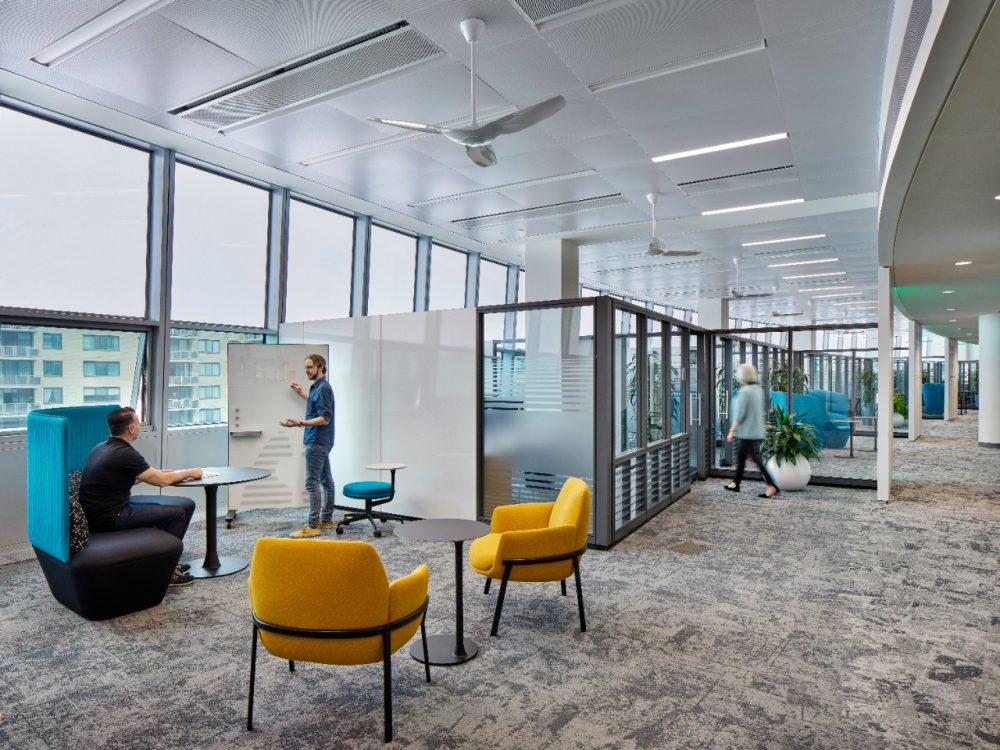
Halfway Through the Year Is the Perfect Time to Reevaluate Your Workplace
By June, most organizations have settled into the rhythm of the year. Teams are moving fast, priorities have shifted, and the day-to-day reality of how people actually use the workplace becomes much more visible.
And often, by mid-year, companies begin noticing small friction points inside their environment:
Meeting areas that sit empty.
Spaces that feel cluttered or outdated.
Employees are struggling to find quiet places to focus.
Layouts that no longer match the way teams collaborate.
The workplace may still function, but it no longer fully supports the people inside it.
The good news? A meaningful workplace refresh doesn’t always require a full renovation. Sometimes the most impactful updates come from thoughtful adjustments that improve comfort, flexibility, flow, and employee experience.
Here are five signs it may be time for a mid-year workspace reset.
1. Your Team Isn’t Using the Space the Way You Expected
One of the clearest signs a workplace needs attention is when spaces aren’t being used as intended.
Maybe collaboration areas sit empty while employees gather elsewhere. Maybe conference rooms are constantly overbooked while lounge areas go untouched. Or perhaps teams have naturally created their own “unofficial” work zones because the existing setup doesn’t support their needs.
The modern workplace has changed dramatically over the past few years. Employees move differently throughout the day. Some need quiet focus space. Others need collaborative environments. Many need both.
A workplace refresh creates an opportunity to observe how your team naturally works and redesign around those behaviors instead of forcing outdated patterns.
Sometimes simple adjustments, like adding flexible seating, creating touchdown spaces, or improving room layouts, can dramatically improve how people experience the office.
2. The Environment Feels Draining Instead of Energizing
Workplace energy matters more than many organizations realize.
Lighting, furniture, layout flow, acoustics, and overall atmosphere all influence how employees feel throughout the workday. When environments feel dark, uncomfortable, crowded, or outdated, it subtly impacts focus, morale, and engagement over time.
On the other hand, refreshed spaces often create an immediate emotional shift.
Natural light feels more intentional.
Collaboration areas become more inviting.
Employees feel more comfortable moving throughout the space.
The office begins supporting energy instead of depleting it.
Even relatively small updates can help create this shift:
- Ergonomic seating improvements
- Updated collaboration furniture
- Better lighting solutions
- Softer, hospitality-inspired gathering spaces
- More intentional traffic flow
The goal isn’t simply making a workplace look modern. It’s creating an environment people genuinely enjoy spending time in.
3. Your Workplace No Longer Reflects Your Culture
Your workspace communicates constantly.
Before a client conversation begins, a candidate sits down for an interview, or employees start their day, the work environment tells people what kind of organization your company is. A workplace that feels disconnected, outdated, or impersonal can unintentionally create a gap between the culture you want to build and the experience people actually have.
Companies that prioritize collaboration, innovation, flexibility, and employee well-being should have spaces that reinforce those values visually and functionally.
That doesn’t mean every office needs dramatic architectural changes. Often, culture alignment comes from intentional details:
- Welcoming common areas
- Spaces designed for connection
- Comfortable meeting environments
- Flexible work settings
- Thoughtful design elements that feel human-centered
The strongest workplaces align the physical environment with the organization’s identity.
4. Employees Are Struggling to Balance Collaboration and Focus
One of the biggest workplace challenges today is balancing interaction with concentration.
Open collaboration is valuable. Teams benefit from spontaneous conversations, quick problem-solving, and shared energy. But deep work still matters, and without quiet areas for focused thinking, employees often experience increased distractions, fatigue, and frustration throughout the day.
The most effective workplaces create a balance between:
- Collaborative gathering spaces
- Quiet focus zones
- Private meeting areas
- Flexible multi-purpose environments
This balance allows employees to move naturally throughout their workday depending on the type of work they need to accomplish.
A mid-year refresh is an ideal opportunity to identify where those imbalances exist and make practical improvements that support both productivity and connection.
5. Your Business Has Changed, But Your Space Hasn’t
Businesses evolve quickly. Teams grow, roles shift, technology changes, hybrid schedules evolve, and client expectations adapt. But workplaces don’t always evolve at the same pace.
What worked two or three years ago may no longer support how your organization operates today. That’s why many companies are moving toward more flexible workplace solutions:
- Mobile furniture
- Multi-use spaces
- Adaptable meeting environments
- Modular layouts
- Furniture systems that scale with growth
The goal is no longer designing for permanence. It’s time to design for adaptability. A workplace should be able to evolve alongside the business itself.
A Refresh Doesn’t Have to Mean Starting Over
One of the biggest misconceptions about workplace updates is that they require massive disruption or full-scale renovations. In reality, many of the most effective workplace refreshes happen through smaller, strategic improvements that create meaningful impact over time.
Sometimes it’s:
- Reworking layouts
- Updating furniture
- Improving collaboration areas
- Enhancing ergonomic comfort
- Creating more intentional gathering spaces
- Introducing flexible work zones
The best workplace environments are not necessarily the most expensive or dramatic. They are the ones designed thoughtfully around the people who use them every day.
As organizations move into the second half of the year, June is the perfect time to pause, reassess, and ask an important question:
Does our workplace still support the way we want our people to work, connect, and thrive?
Ready to make some changes in your space? Get in touch with our team to get started.